Transportation & Logistics
The logistics sector physically relies on trucks and ships, but digitally it often still relies on PDFs, scans, and endless email chains. Where traditional consultants focus on route optimization, Laava focuses on information optimization. After all, the biggest delays don't occur on the road, but in the back office. We use Generative AI to bridge the gap between unstructured documentation and structured systems, enabling chains to operate faster, more transparently, and with fewer errors.
Where this usually breaks down
Knowledge is scattered across inboxes, folders, and people
Where this usually breaks down
Document-heavy work still burns too much manual time
Where this usually breaks down
Handovers and approvals slow down execution and follow-up
Where this usually breaks down
Existing systems are present, but they do not work together intelligently
Operational context
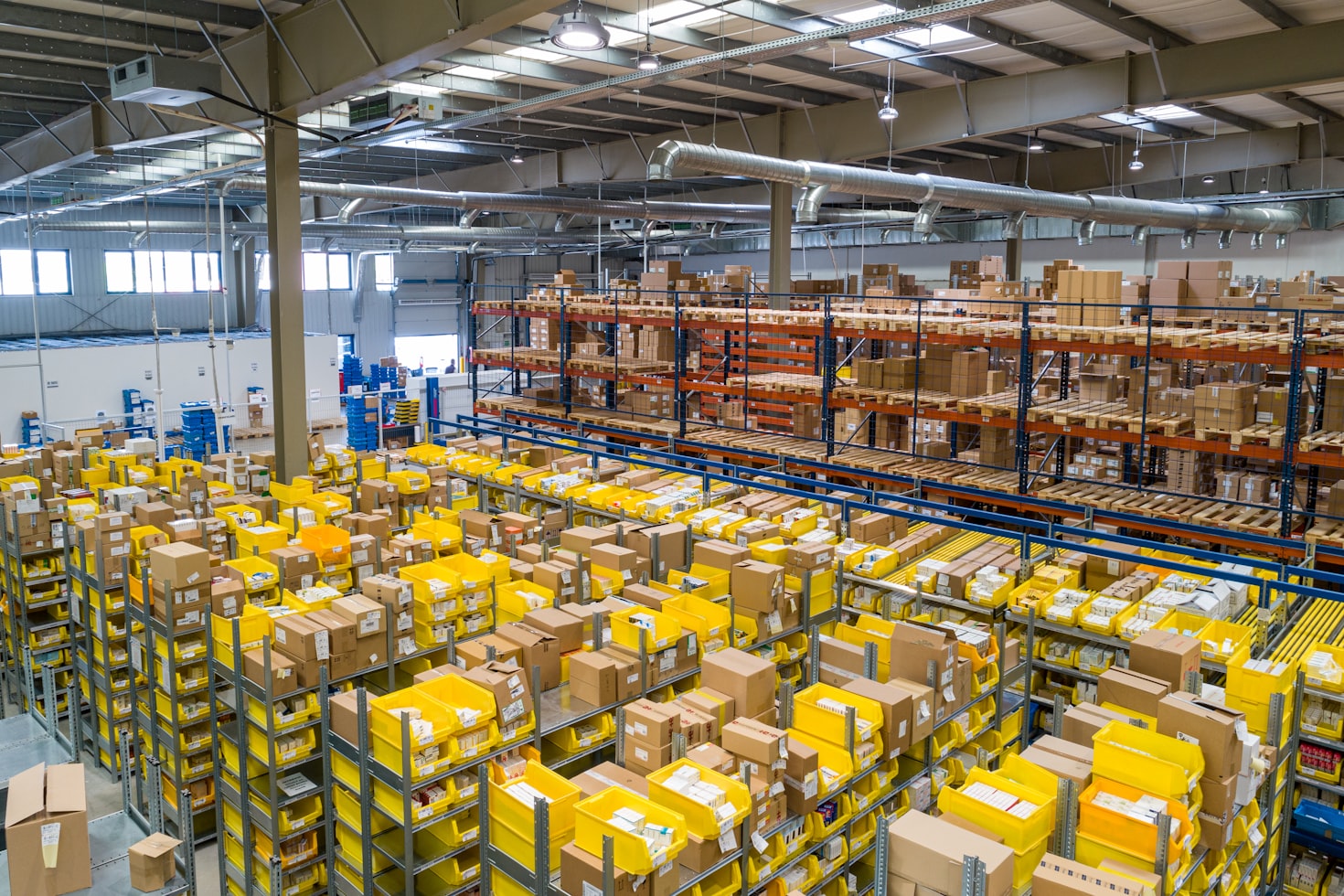
Where this stands today
2
published case studies in this industry
2
featured examples on this page
1
concrete process needed to start well
0
need for loose AI hype or experiments
Featured case studies
Projects that show how this lands in practice.
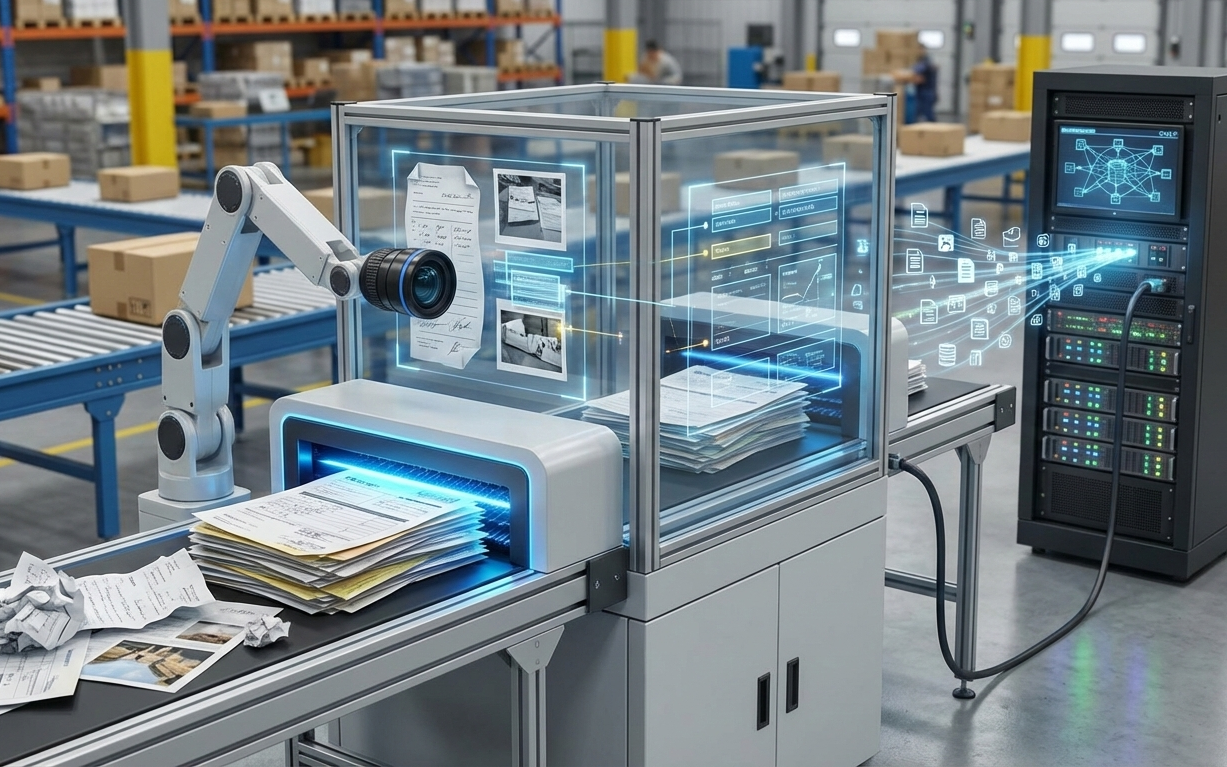
Logistics Document Intake Before ERP Entry
Document intake workflow for logistics backoffices that reads freight documents, extracts structured fields, and validates them before ERP entry, so teams stop retyping and correcting the same information by hand.
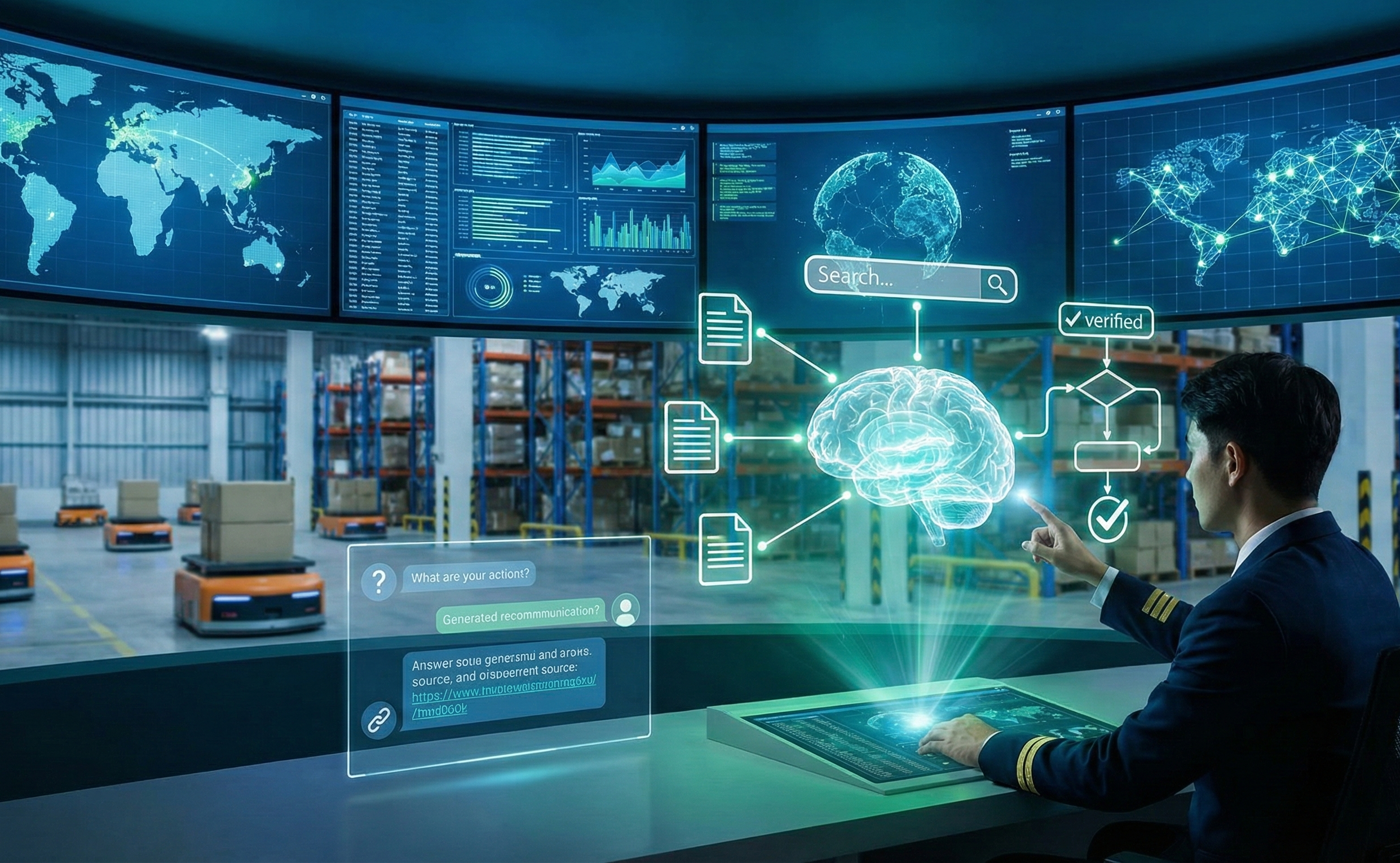
Logistics Knowledge Retrieval Layer
Knowledge layer for logistics teams that answers operational questions from internal documentation with source-backed responses, so staff stop losing time in manuals, folders, and colleague escalations.