Case studies from real operations
Case studies from the real operation
Not demos or lab projects, but working applications inside existing processes that make a measurable difference in speed, quality, and operational handovers.
Where this tends to show up

SharePoint Knowledge Layer
Permission-aware semantic search across 50,000+ SharePoint documents. Search time dropped from 12 minutes to 45 seconds, with zero permission violations in production.
Impact
Average document search time dropped from 12 minutes to 45 seconds.
Search success rate improved from ~60% to 95%.

AI Platform for Energy Operations
A modular AI platform for the energy sector that combines a voice agent, chat agent, L2 ticket agent, debit agent, and sales agent on one shared orchestration and knowledge layer. Built so the operating model can be reused across other sectors with similar service and backoffice complexity.
Impact
The result is one reusable AI platform instead of a pile of disconnected pilots.
Service, L2 support, collections, and commercial flows can share the same orchestration, knowledge, and governance layer while still keeping channel-specific logic where it matters.

Multi-Brand AI Customer Operations Platform
The customer-facing implementation of a shared AI platform for a multi-brand energy operation. One platform supports voice, chat, L2 ticket handling, debt-related flows, and sales conversations across 20+ brands without duplicating logic, knowledge, or governance.
Impact
The result is one customer-operations platform instead of separate bots per brand or channel.
Voice, chat, L2 support, debt-related flows, and sales conversations can share routing, knowledge, references, and governance while still behaving differently where needed.
Sovereign AI Infrastructure
Private AI platform for a global maritime engineering company. Open-source models running on-premise with Kubernetes - zero data leaves the building.
Impact
Fully operational private AI platform running inside client infrastructure with zero external data transfer.
Engineering teams using RAG-based document search across technical manuals and project archives.

Telecom Support Triage & Tier-1 Resolution
AI support flow for a telecom operation that classifies incoming tickets, resolves repeatable Tier-1 issues, and hands complex cases to the right human queue with usable context.
Impact
The validation showed that a meaningful share of repetitive support volume can be taken out of the frontline queue without breaking the customer experience.
The agent resolved 38% of tested Tier-1 issues autonomously, classified intent with 91% accuracy, and produced structured escalation summaries that reviewers rated useful in 87% of handovers.
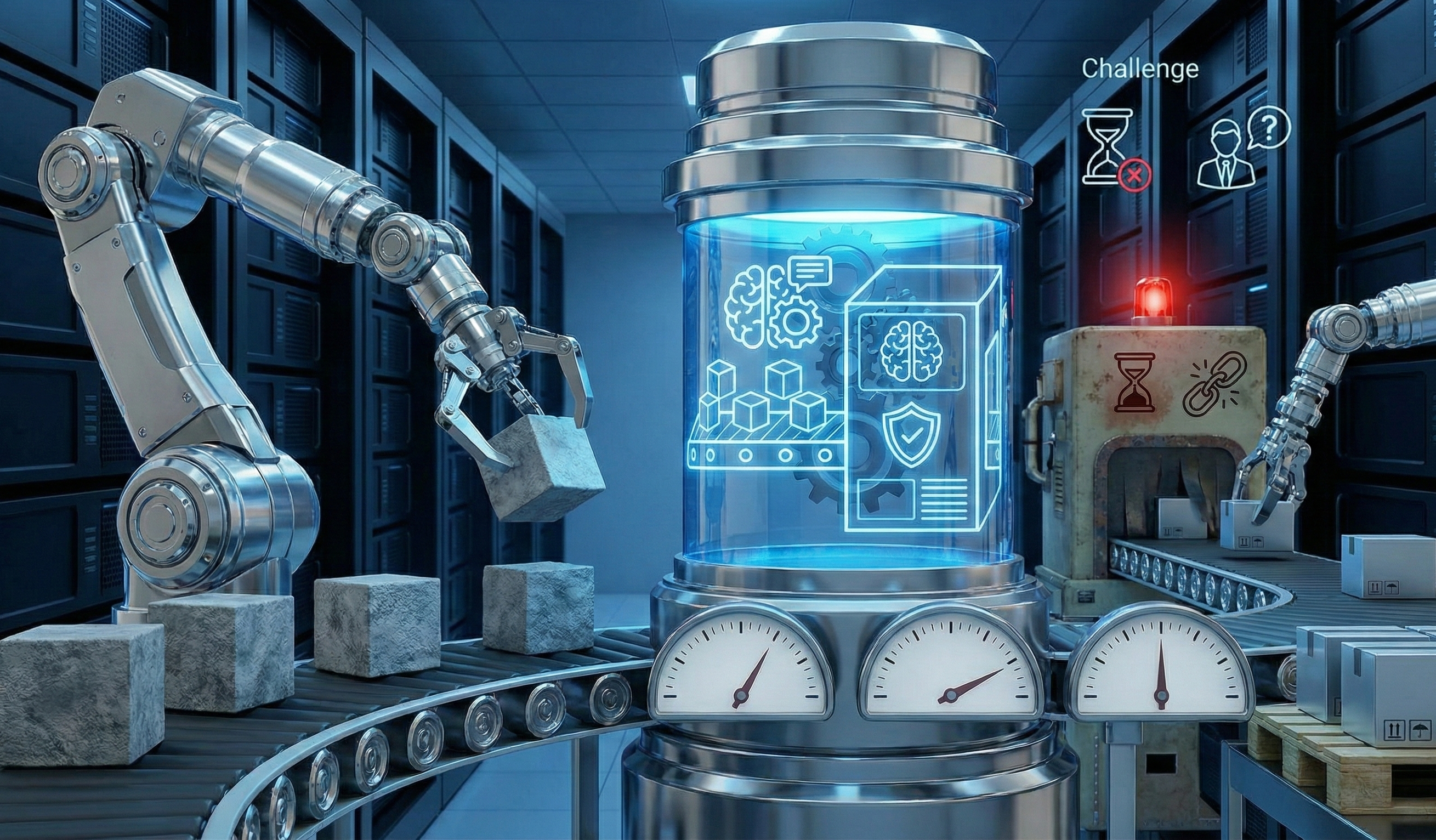
Brand Voice Product Content Pipeline
AI content pipeline that turns raw product data into on-brand, SEO-aware product descriptions at catalogue scale, with editorial review still in control.
Impact
The pipeline gave the brand a workable route out of slow, inconsistent catalogue production.
Editors approved 72% of generated descriptions with minor or no edits, average generation time dropped to around 8 seconds per SKU, and brand-voice consistency improved from 3.2/5 to 4.1/5 in blind reviews.

CSRD Narrative Drafting Assistant
AI drafting assistant for sustainability teams that turns ESG data and CSRD requirements into structured first drafts, so reporting starts from a grounded narrative instead of a blank page.
Impact
The assistant cut the narrative drafting phase roughly in half for the tested topics and saved an estimated 3 to 4 days of writing time.
More importantly, it improved coverage discipline: the team started from a structure that stayed close to the underlying disclosure requirements instead of reconstructing them manually every cycle.

Contract Review Against Internal Playbook
AI review workflow that checks contracts against a firm's own playbook, flags deviations, and gives lawyers a usable first-pass risk summary before detailed review starts.
Impact
The workflow cut first-pass contract scanning time by roughly half and saved lawyers an estimated 30 to 45 minutes per document on the tested set.
That is meaningful leverage in a practice where review pressure is constant and senior attention is expensive.

Logistics Knowledge Retrieval Layer
Knowledge layer for logistics teams that answers operational questions from internal documentation with source-backed responses, so staff stop losing time in manuals, folders, and colleague escalations.
Impact
The pilot group rated 84% of answers as useful or correct, and users found answers in under 30 seconds for questions that previously took 15 to 20 minutes of searching or internal escalation.
For the operation, that means less dependency on the same experienced colleagues and less time disappearing into procedural lookup work.
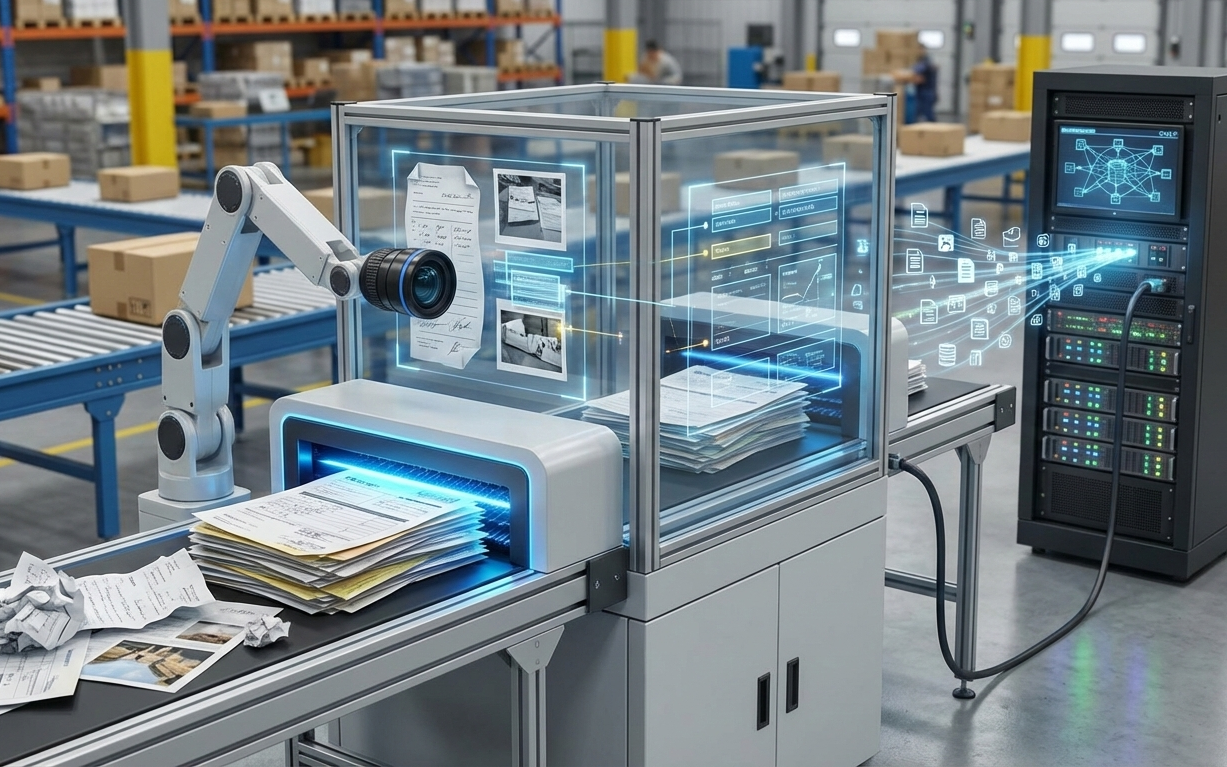
Logistics Document Intake Before ERP Entry
Document intake workflow for logistics backoffices that reads freight documents, extracts structured fields, and validates them before ERP entry, so teams stop retyping and correcting the same information by hand.
Impact
Extraction accuracy: 91% of fields correctly extracted across the test set of ~200 documents, including scanned and photographed originals.
Validation catches: The validation layer flagged 23 mismatches that would have been missed in manual processing during testing.

AI-Assisted KYC Screening
KYC screening workflow that checks clients against sanction lists and public sources, then produces structured risk profiles analysts can review instead of building every dossier from scratch.
Impact
The workflow reduced dossier preparation time from roughly 3 hours to 45 minutes per client while keeping traceability back to the underlying sources.
That is a material operational gain in onboarding and periodic review work, where analyst time disappears quickly into repetitive preparation.

Technical Spec Comparison for Procurement
AI workflow that extracts technical parameters from supplier datasheets, compares them against project requirements, and flags deviations before they turn into procurement mistakes or engineering delays.
Impact
The workflow reduced initial spec review from roughly 2 hours to 15 minutes per document on the tested set.
Engineers still verify the outcome, but they start from a structured comparison instead of a raw PDF hunt.

Tender Drafting from Internal Knowledge
AI tender workflow that turns an RFP into a structured first draft by matching requirements to internal case studies, CVs, and reusable proposal knowledge.
Impact
Bid managers rated the generated drafts as a usable starting point rather than a novelty output: 3.8/5 on average versus 4.5/5 for the original manually written winning submissions.
First drafts arrived in around 12 minutes instead of 2 to 3 days, and the retrieval layer selected the right supporting material in 4 out of 5 tenders without manual correction.

Woo Redaction Review Assistant
Review assistant for Woo requests that pre-marks sensitive information in government documents, so civil servants start from a suggested redaction layer instead of from zero.
Impact
On the tested Woo set, the pipeline reached 89% recall on PII entities, 78% precision on proposed redactions, and reviewers reported working about 2.5 times faster than in the manual process.
That matters because Woo work is not just high-volume, it is politically sensitive and operationally draining.
Next step
Want to see where this could land first in your operation?
Start with one concrete process. In the AI Opportunity Scan we assess where AI adds value and what the best first route looks like.